Party Invitation Card Layout: Your First Step to a Memorable Event
That moment of panic when you realize the party is in two weeks and you haven’t sent invitations yet. The generic templates online feel lifeless, and hiring a designer isn’t in the budget. This is where a well-crafted Party Invitation Card Layout transforms from a simple file into your most valuable planning asset. It’s not just a template; it’s a professional design framework that hands you the creative control to announce your event with style and confidence, without the steep learning curve.
More Than a Template: The Anatomy of a Professional Invitation
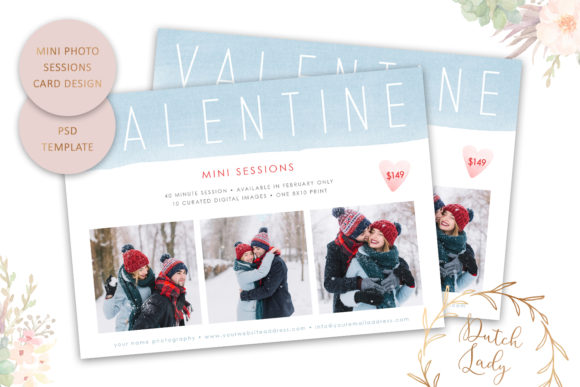
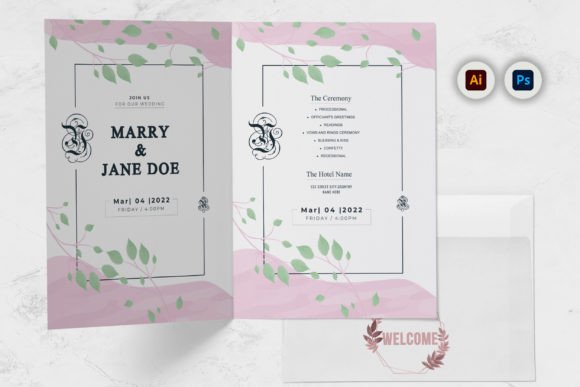
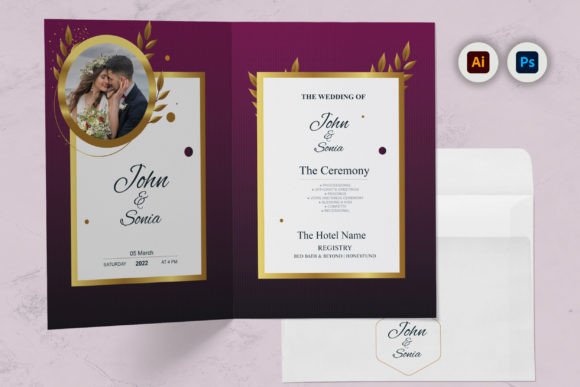
A quality Party Invitation Card Layout is built on the principles of modern typography and visual hierarchy. Think of it as a blueprint for elegance. The layout you download isn't a flattened image; it's an organized set of layers in Illustrator (EPS) and Photoshop (PSD) files. This means every element—the headline, the event details, the decorative flourishes—is separate and editable. The CMYK color scheme is already set, so what you see on screen is what you’ll get from the printer, eliminating guesswork. The standard paper size included means it’s print ready from the moment you open the file.
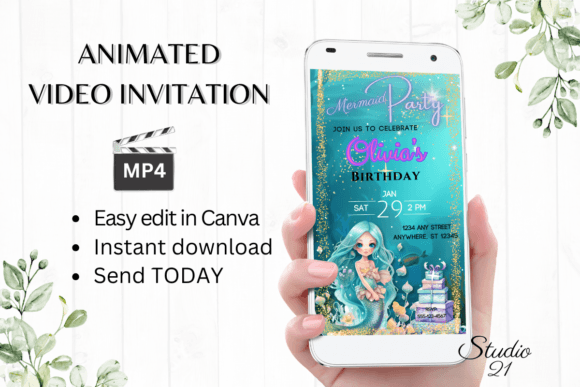
The visual personality of a premium template like this strikes a crucial balance. It’s professional, clean, and designed to be 100% editable. This clean foundation is intentional. It provides a sophisticated canvas that can be adapted to a black-tie gala, a whimsical children’s birthday, or a casual backyard barbecue. The use of free fonts is a thoughtful touch, removing a common barrier for creators who may not have extensive font libraries. You’re not just getting a design; you’re getting a complete, well organized system with a help file and links to the exact typefaces used, ensuring consistency and ease.
Strategic Applications Beyond the Birthday Bash
While its primary function is obvious, the utility of a versatile Party Invitation Card Layout extends far into your professional toolkit. For the entrepreneur or small business owner, it’s the perfect starting point for a product launch event, a store opening, or a client appreciation dinner. The instant download feature means you can react quickly to opportunity. For marketers and content creators, it’s a secret weapon for creating cohesive social media graphics that drive attendance to a live stream, webinar, or community meetup. The design’s inherent brand identity potential allows you to swap colors and fonts to match your existing palette, ensuring every touchpoint feels unified.
Consider the blogger or publisher hosting a virtual book launch or a workshop. This layout provides the design assets needed to craft invitations that mirror the aesthetic of your website or latest publication, reinforcing recognition. For crafters and hobbyists, it’s a gateway to more ambitious packaging design or editorial design projects. The skills you practice—adjusting text hierarchy, pairing fonts, managing layers—are the same skills used in creating lookbooks, media kits, and branded stationery. It’s a practical lesson in visual hierarchy, teaching you how to guide a viewer’s eye from the headline to the critical details like date and time.
Choosing and Customizing Your Layout with Purpose
Selecting the right template is an exercise in strategic thinking. Before you purchase, scrutinize the preview images. Does the style align with your event’s tone? A layout featuring a bold display font and geometric shapes suits a modern cocktail party, while one with a script font and watercolor textures feels right for a garden wedding. This is where understanding font pairing begins. The template likely pairs a serif font for elegance with a sans serif font for clear details, a classic combination that ensures both beauty and readability.
Once downloaded, the real work—and fun—begins. Open the file and assess the well organized layer structure. Rename layers if it helps your workflow. The first step is to edit the text, but think beyond just typing in your details. Use this as a chance to practice modern typography. Does the hierarchy work? The event name should be the most prominent, followed by the host, then the details. Adjust the font size and weight to create this clear visual hierarchy. Experiment with the free font links provided. Perhaps a handwritten font for the host’s name adds a personal touch, while a clean sans serif font keeps the address legible.
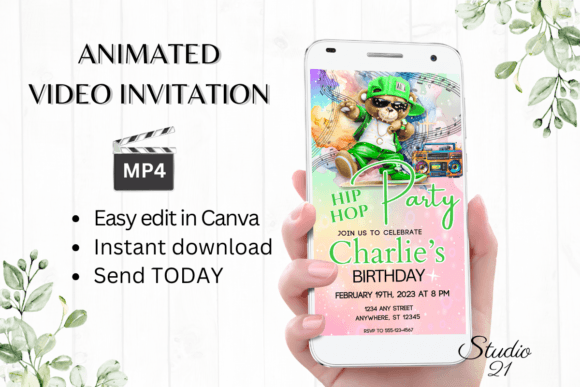
Color is your next lever for customization. The CMYK color scheme is your guide, but you can and should adjust it. Use your brand colors or the guest of honor’s favorite hues. This simple change dramatically alters the brand perception and mood of the invitation. Finally, consider the medium. While it’s print ready, you can easily adapt it for digital use. Save a version as a high-resolution JPEG for email or a PNG with transparency for social media. The fast and friendly customer service mentioned in the listing is your safety net for any technical hurdles, but the easy edit nature of a professional template is designed to minimize those.
In the end, a Party Invitation Card Layout is more than a shortcut. It’s an investment in professionalism and a catalyst for creativity. It provides the commercial font assets and structural integrity of a premium font collection, applied to a specific, high-impact project. It empowers you to produce work that strengthens brand identity, engages your audience, and delivers a tangible result—a beautiful invitation that builds excitement and sets the tone for the event to come. It’s the practical, beautiful starting line for any celebration you can imagine.